
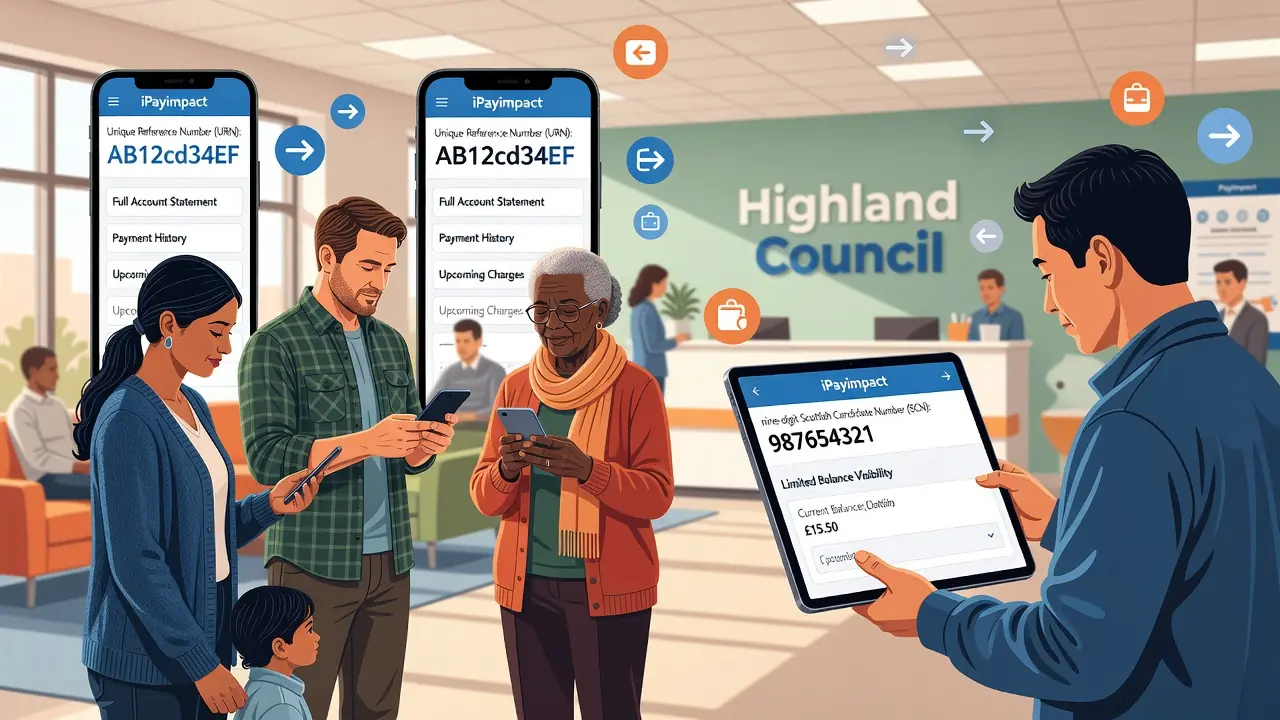
Paying for a child's school lunch should not require a login tree of trial and error, yet many parents still face confusion over which reference number unlocks which payment system. Highland Council has set out a clearer structure, built around two identifiers: the Unique Reference Number (URN) and the Scottish Candidate Number (SCN). Which one a family uses determines both the payment platform and the level of account detail they can see online.
Two Numbers, Two Routes
The system hinges on a simple distinction. A URN, which combines uppercase and lowercase letters with numbers, is issued directly by the school and links to iPayimpact, a platform that gives parents a fuller account statement, payment history, and visibility over when charges fall due. Families who have not been issued a URN instead use their child's SCN, a nine-digit number used across Scottish education administration, to pay through a separate online channel.
The practical difference matters. SCN-based payments do not offer the same balance transparency as iPayimpact. Parents relying on the SCN route cannot check an account statement online, which means they need to track spending and top-ups more carefully themselves, or rely on information from the school.
Offline Options Remain
Not every household wants or needs a digital interface, and the council has kept traditional methods available. Cash and cheque payments can still be made through the school itself, with cheques made payable to The Highland Council. For secondary pupils, a revaluation unit on site allows cash to be added directly to a meal account and lets students check their own balance without parental involvement at the point of payment - a practical feature for older pupils managing their own lunch money.
This dual-track approach, pairing a digital payment platform with cash and cheque fallback, reflects a broader pattern in public-sector payment systems: councils are digitising core transactions while preserving access for families without reliable internet access or banking apps.
Outstanding Balances and Support
Parents who receive an invoice for outstanding school meal charges can settle that balance online as well, which closes a potential gap where unpaid charges might otherwise require an in-person visit or manual processing. For anything more complicated - linking a child's account, requesting a refund, or resolving a payment that has not registered correctly - the council directs parents to Catering Services directly rather than leaving them to troubleshoot through a generic helpdesk.
The emphasis on a dedicated contact point is a modest but meaningful detail. Payment systems that mix multiple identifiers and platforms inevitably generate edge cases, and having a named service to resolve account-linking errors or refund requests reduces the risk of a minor technical issue becoming a missed meal payment for a child.